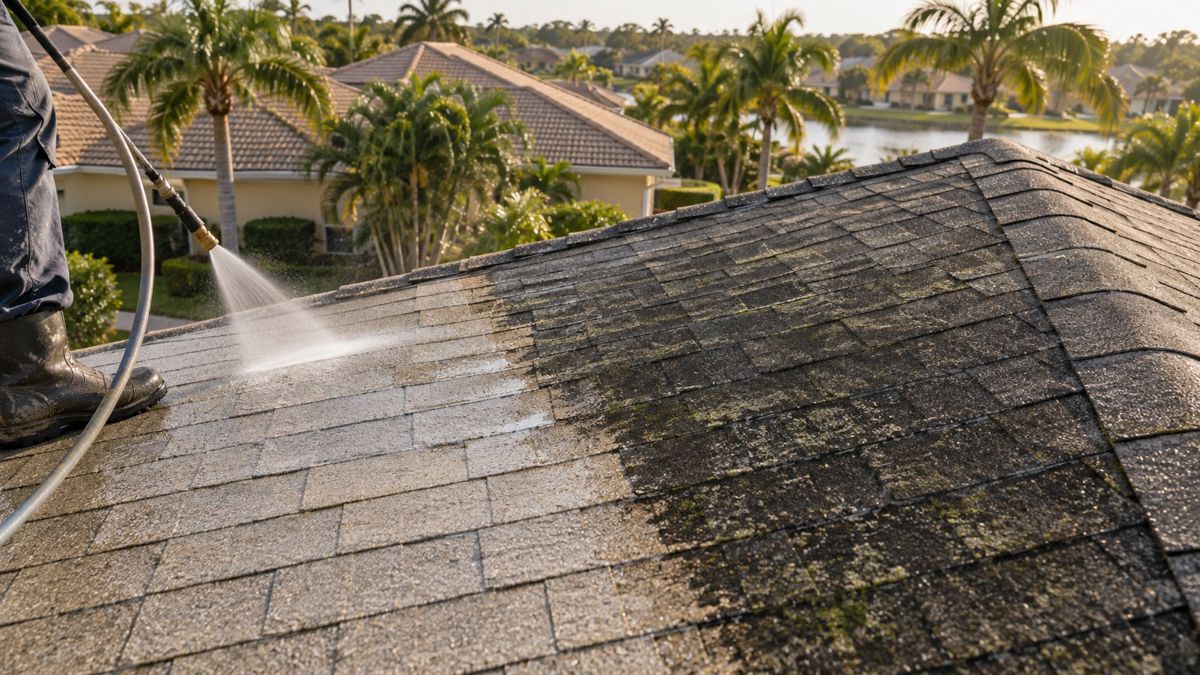
Yes, it can. High pressure power washing is one of the quickest ways to harm a roof that looks like it only needs a clean. On asphalt shingles it can strip the granules that protect the roof. On tile it can crack or loosen pieces and push water where it should not go. For most Coral Springs roofs, a low pressure soft wash is the safer way to remove the black streaks.
What do shingle granules do, and why do they matter?
An asphalt shingle is not just a flat piece of asphalt. Its top face is covered with small mineral granules. They block the sun's ultraviolet rays, shield the asphalt underneath from heat and rain, and give the shingle its color.
A strong jet of water can knock those granules loose. Once they are gone, the asphalt dries, cracks and ages faster. You might see bare dark patches, or find a pile of gritty sand in the lawn or the pool. That wear is not reversible. Many shingle makers advise against high pressure on their products, so read your warranty papers before you agree to any cleaning method.
The sun in South Florida is already hard on a roof. Taking away the surface layer that protects it makes the job harder.
What happens to tile roofs under a pressure wand?
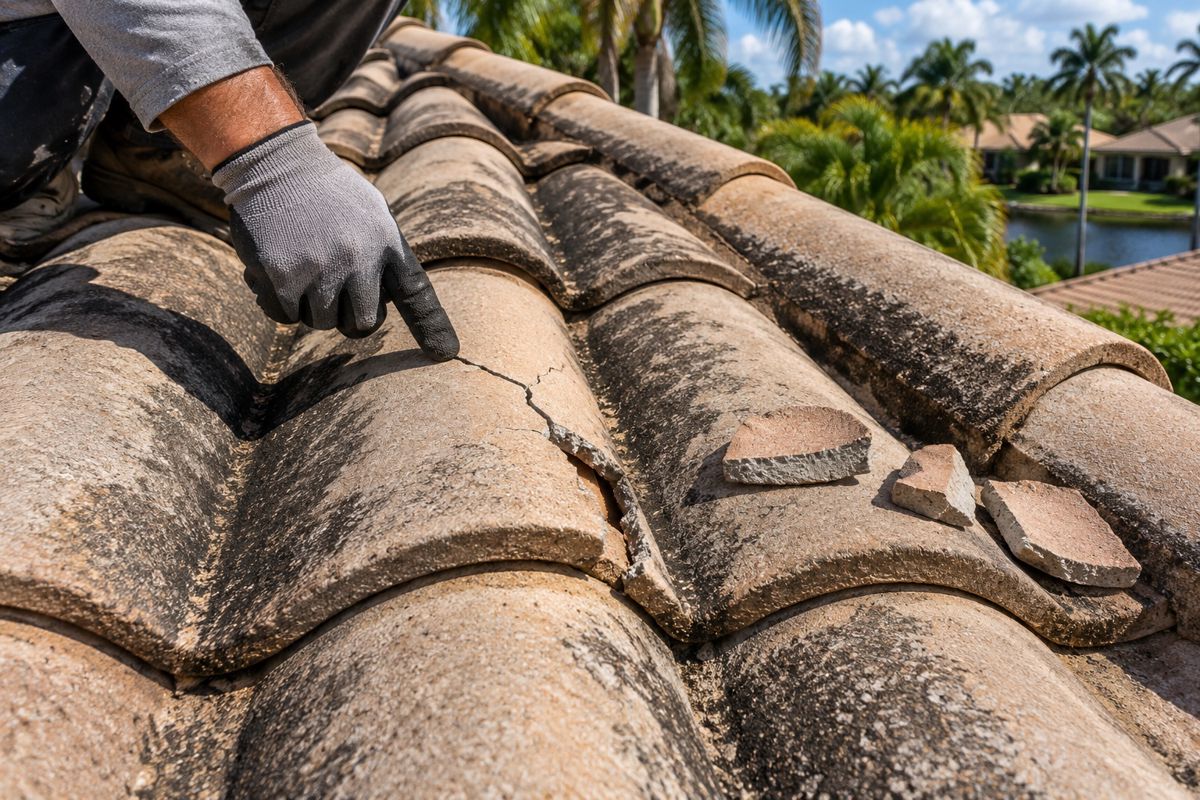
Concrete and clay tile look tough, but they have weak points. Older tiles can be brittle, and cracks are often hard to see from the ground. A pressure wand aimed at a tile can chip the surface, break an edge or crack the whole piece.
The bigger risk is water. Tile roofs shed water, but they are not sealed like a bathtub. Underneath sits an underlayment that does the real waterproofing. Strong pressure can push water sideways and upward under the tiles, past overlaps and into places that were never meant to get that wet. Leaks may not show up for weeks, and by then it is hard to link them to the cleaning.
Tile is also slippery and uneven to walk on. Heavy boots in the wrong spot are a common cause of broken tiles, even with gentle cleaning, so ask how the crew moves around on the roof.
Why do roofs in Coral Springs get so dirty?
The black streaks you see on roofs in this area are usually algae. Warm temperatures, high humidity, a long wet season and shade from trees give it the conditions it likes. It starts on the shaded slopes and spreads. Moss, lichen and mildew can follow on roofs that stay damp.
These streaks look like dirt, so people reach for the pressure washer. Algae, though, is a living growth that sits in the surface. A strong jet can blast away the top layer and leave roots behind, and it takes a bit of the roof with it. The growth then returns, often faster than before, on a surface that is rougher and holds more moisture.
Some Florida insurers also look at the look and condition of a roof. If an adjuster sees heavy staining, it can raise questions. Cleaning in a way that keeps the roof intact is worth far more than a quick blast that leaves it damaged. Your insurance agent can tell you what your company expects.
What is soft washing, and how is it different?
Soft washing uses low water pressure, about what you would get from a garden hose, along with a cleaning solution that kills algae, mildew and moss. The solution does the work. After it sits for a short time, a gentle rinse carries away the dead growth.
The key points are simple.
- Low pressure protects shingle granules and tile surfaces.
- The solution treats the growth, not just the stain.
- Rinse water stays gentle, so it is less likely to be forced under shingles or tiles.
- Results often keep improving over the following days as treated growth fades.
Plants, pets and pools need protection from the solution and the runoff. A careful crew wets and rinses landscaping, covers delicate plants and keeps runoff away from pools and storm drains.
How can I tell a crew will treat my roof gently?
You do not need to be an expert. Ask a few direct questions and listen to the answers.
- What method will you use on my roof, and what pressure?
- How will you get onto the roof, and how do you protect tiles or shingles?
- What do you use to treat the algae, and how do you protect my plants?
- What happens if something is damaged during the work?
- Will you put the scope and quote in writing?
Be careful with a crew that talks about blasting the roof clean. Also be careful with a quote that sounds too low for the job. Safe roof work takes time and the right products. Ask to see a contractor's license and insurance papers if the company says it holds them, which is sensible advice for any trade work.
What if my roof has already been pressure washed?
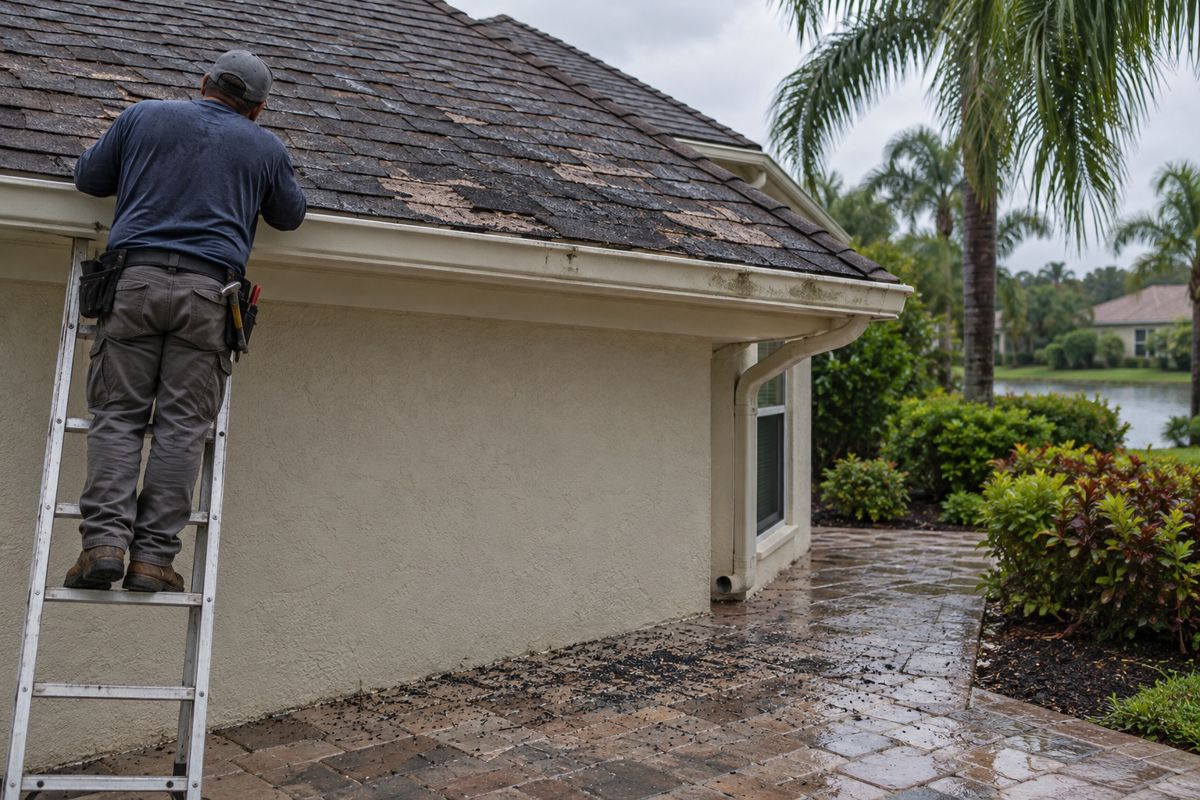
Look at it closely. Bare patches on shingles, a gritty residue in the yard or pool, lifted edges, or tiles that sit at odd angles can all point to damage. Water stains on ceilings after a rain are a clear warning.
Do not wait for a big storm to find out. Hurricane season runs from June 1 to November 30, and a roof with weakened shingles or loose tiles is more exposed to wind and rain. Have a licensed roofer inspect the roof and tell you what repairs are needed. If you pay a cleaning company for work that damaged the roof, keep photos, receipts and written quotes, and talk to the company first.
When should I call a pressure washing crew about my roof?
Call when you first notice streaks. Light staining is easier to treat than thick growth, and it is a good time to ask about a soft wash. If your roof has broken tile, lifted shingles or leaks, call a roofer first and clean afterward.
You can read about the method on our roof cleaning page. Ask for a written quote before work starts, and tell the crew what your roof is made of. If you also want the walls or driveway cleaned, the house washing page explains how a soft wash works on stucco.